
Early Pregnancy Symptoms: 15 Signs You May Be Pregnant
A missed period may be the first clue but pregnancy can sometimes make itself known before your period is even…
Read More →

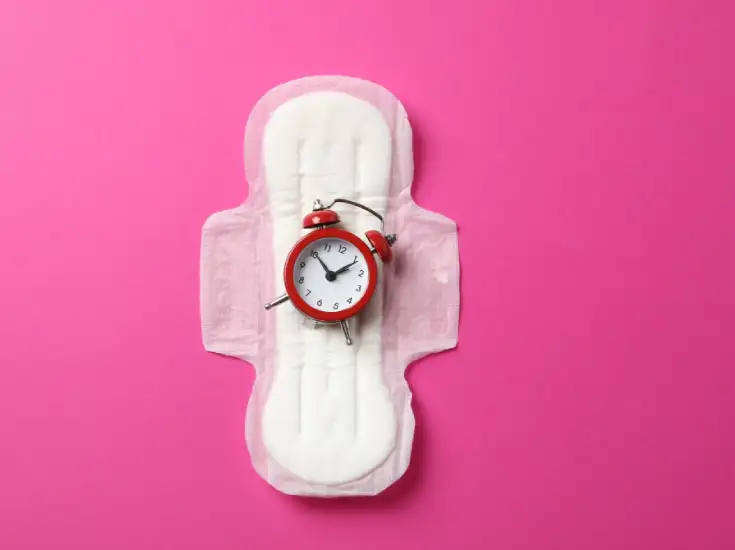
Pregnancy isn’t the only cause: Stress, hormonal changes, weight fluctuations, and other health factors can delay your period.
Cycles naturally vary: Being a few days late doesn’t necessarily indicate a medical problem.
Take a pregnancy test if needed: If pregnancy is possible, testing can help clarify the situation.
Know when to seek help: Repeated missed periods, persistent irregularities, or concerning symptoms warrant medical attention.
Your period is late, and suddenly every possibility starts running through your mind. Pregnancy? Stress? Hormones? Something else?
A delayed period can be unsettling, but a late period doesn’t always mean you’re pregnant or that something is wrong. Menstrual cycles can naturally vary, and changes in stress, weight, exercise, sleep, hormones, medications, and overall health can affect when your period arrives.
Still, if your period is repeatedly irregular, unusually late, or accompanied by other symptoms, it’s worth paying attention.
Understanding the common causes of a delayed period can help you know when to wait, when to take a pregnancy test, and when to speak with a healthcare professional.
Menstrual cycles aren’t identical every month.
The average menstrual cycle is often described as about 28 days, but cycles can be shorter or longer, and some variation from month to month is normal.
Your period may be considered late when it hasn’t arrived around the time you expected it based on your usual cycle pattern.
One late period doesn’t automatically mean you have an underlying condition.
What matters is the bigger picture: how regularly your periods normally occur, whether the change keeps happening, and whether you have other symptoms.
If you’ve had penis-in-vagina sex and pregnancy is possible, a missed period can be an early sign of pregnancy.
Even if you use contraception, pregnancy can still occur because no contraceptive method is completely effective.
If your period is late and pregnancy is possible, taking a home pregnancy test is a practical first step. Follow the test instructions carefully, and consider repeating the test or speaking with a healthcare professional if the result is negative but your period still doesn’t arrive.
Stress can affect the brain-hormone signals that regulate ovulation and menstruation.
Major emotional stress, work pressure, relationship difficulties, illness, or significant life changes may cause ovulation to occur later than usual—or occasionally not occur during that cycle.
And when ovulation is delayed, your period may be delayed too.
Significant changes in body weight can affect reproductive hormones.
Rapid weight loss, restrictive dieting, eating disorders, or substantial weight gain may contribute to irregular or missed periods.
If your menstrual cycle changes alongside major changes in weight, appetite, or eating patterns, consider discussing it with a healthcare professional.
PCOS is a common hormonal condition that can cause irregular or absent periods.
Some people with PCOS also experience acne, increased facial or body hair, weight changes, or difficulty becoming pregnant.
Not everyone with irregular periods has PCOS, and PCOS cannot be diagnosed from a late period alone.
The thyroid helps regulate many body processes, including metabolism and reproductive function.
Both an underactive thyroid (hypothyroidism) and an overactive thyroid (hyperthyroidism) can affect menstrual regularity.
Symptoms such as unusual fatigue, unexplained weight changes, feeling unusually cold or hot, or changes in heart rate may provide additional clues.
Regular physical activity is generally beneficial for health, but very intense exercise especially when combined with inadequate calorie intake—can disrupt normal reproductive hormone signaling.
Athletes and people undergoing demanding training programs may experience delayed or missed periods.
Breastfeeding can temporarily alter ovulation and menstruation.
Some people don’t have periods for months after giving birth, particularly when breastfeeding frequently. However, ovulation can occur before the first postpartum period, so breastfeeding should not automatically be considered reliable contraception unless specific medical criteria are met.
Birth-control pills, hormonal intrauterine devices (IUDs), implants, injections, and other hormonal contraceptives can change menstrual bleeding.
Some methods may make periods lighter, irregular, or absent.
Stopping hormonal contraception can also temporarily change your usual cycle pattern while your body returns to its previous rhythm.
As menopause approaches, hormone levels can become more variable.
During perimenopause, periods may become less predictable—arriving earlier, later, heavier, lighter, or occasionally being skipped.
Perimenopause commonly occurs in midlife, although timing varies from person to person.
Some medications and underlying health conditions can affect menstruation.
Depending on the situation, factors may include certain psychiatric medications, corticosteroids, hormonal treatments, chronic illnesses, or other medical conditions.
If your period becomes irregular after starting a new medication, don’t stop it on your own. Ask your healthcare professional whether it could be contributing.
Start by considering whether pregnancy is possible.
If it is, a home pregnancy test can provide useful information. If the result is negative but your period remains absent, repeating the test after several days or contacting a healthcare professional may be appropriate.
Then consider recent changes:
Keeping track of your menstrual cycle can make these patterns easier to identify.
A late period doesn’t always require medical treatment, but professional evaluation is important when menstrual changes are persistent or concerning.
Consider seeing a healthcare professional if:
Seek urgent medical care if pregnancy is possible and you develop severe abdominal or pelvic pain, heavy bleeding, fainting, or significant dizziness, as these symptoms can sometimes indicate a pregnancy complication.
A late period is a signal, Not a Diagnosis.
Pregnancy is an important possibility to consider, but it isn’t the only explanation. Stress, weight changes, intense exercise, PCOS, thyroid disorders, breastfeeding, hormonal contraception, perimenopause, medications, and other health factors can all influence menstrual timing.
If your period is occasionally a few days late, keeping track of your cycle and watching for changes may be enough. But if missed or irregular periods become a pattern, don’t simply ignore them.
Your menstrual cycle can provide valuable clues about your overall health. When something changes consistently, it’s worth finding out why.


