
15 Foods That Boost the Immune System
Your immune system is your body’s natural defence network. It helps protect you against harmful germs and supports your body’s…
Read More →

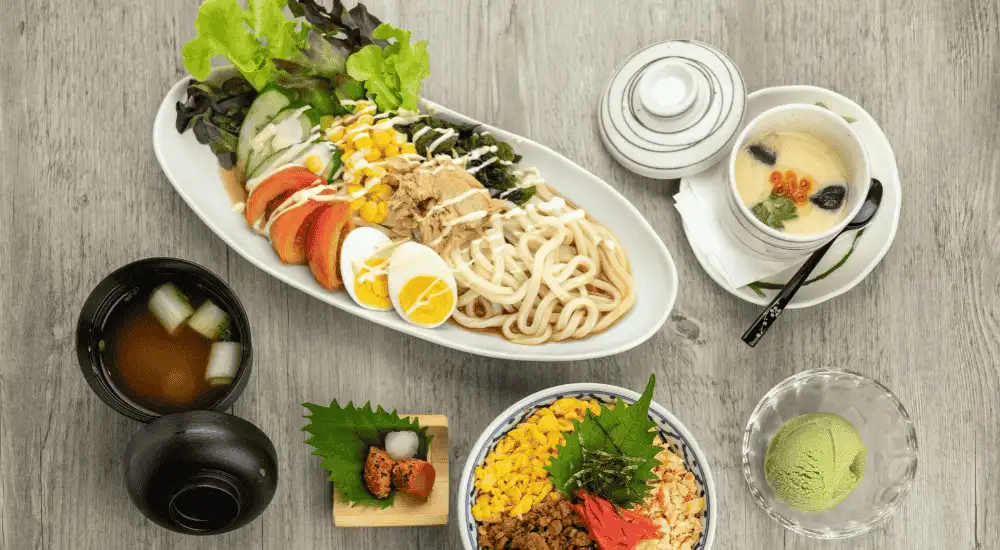
Cold, ready-to-eat meals can feel more comfortable than hot food during a hot flash.
Make-ahead meals reduce time spent near a hot stove.
Combining protein with vegetables, fruit or whole grains supports balanced nutrition during menopause.
No specific food or cold meal is proven to stop hot flashes.
Speak with a doctor if hot flashes disturb your sleep, work or daily life.
Cold meals during menopause hot flashes are dishes you can prepare ahead, keep in the fridge and eat without reheating. Good examples include overnight oats, sprout salad, curd rice and a chickpea and vegetable salad.
A hot flash (also called a hot flush) is a sudden feeling of heat, usually in the face, neck and chest, linked to hormonal changes around menopause. Cold, ready-to-eat food means less time near a hot stove and can feel more comfortable when you are already overheated.
These meals support a balanced diet, but no food is proven to stop hot flashes. Below are 12 easy cold meal ideas, followed by common triggers to limit and advice on when to see a doctor.
These 12 cold meals can be prepared ahead, stored in the fridge and eaten without reheating. Each combines a protein source with vegetables, fruit or whole grains to support balanced nutrition during menopause. Keep spices mild, as the NHS lists spicy food as a possible hot flash trigger.
Why choose it? Ideal for busy mornings, because you prepare it the night before.
Quick recipe: Mix oats with milk or fortified plant milk and plain yoghurt. Refrigerate overnight, then top with berries, banana or a few chopped nuts.
Benefits: Oats provide fibre, and milk and yoghurt provide calcium. The NHS recommends calcium-rich foods such as milk and yoghurt to help keep bones healthy during menopause.
Why choose it? A light, crunchy salad that needs very little cooking.
Quick recipe: Lightly steam moong sprouts and let them cool. Mix with chopped cucumber, tomato, onion, coriander and lemon juice.
Benefits: Sprouts provide plant protein and fibre, and the vegetables add vitamins and water content.
Why choose it? A soothing, familiar meal that is naturally served cool.
Quick recipe: Mix cooled cooked rice with plain curd. Add grated cucumber or carrot and a light tempering of mustard seeds and curry leaves.
Benefits: Curd provides protein and calcium. Adding vegetables increases fibre.
Why choose it? A filling vegetarian lunch with fresh, tangy flavours.
Quick recipe: Toss boiled, cooled chickpeas with onion, tomato, coriander and lemon juice. Serve with raita made from curd and grated cucumber.
Benefits: Chickpeas provide plant protein and fibre, which help you feel full. Raita adds calcium.
Why choose it? A protein-rich vegetarian meal that comes together in minutes.
Quick recipe: Combine cubes of fresh paneer with capsicum, cucumber, tomato and lettuce. Dress with lemon juice, olive oil and black pepper.
Benefits: Paneer provides protein and calcium. Vegetables add fibre and vitamins.
Why choose it? A make-ahead bowl that works well for lunch at home or work.
Quick recipe: Mix cooked, cooled millet (such as foxtail or barnyard millet) or quinoa with leafy greens, cucumber, herbs and a lemon-olive oil dressing.
Benefits: Millets and quinoa are whole grains that provide fibre and steady energy. Olive oil adds unsaturated fats.
Why choose it? A more filling cold meal when you want extra protein.
Quick recipe: Mix cooked, chilled chicken or tofu with lettuce, cucumber and tomato. Dress with plain yoghurt blended with mint and a little lemon juice.
Benefits: Chicken and tofu supply protein to help maintain muscle. The yoghurt dressing adds calcium.
Why choose it? Easy to pack and eat on the go.
Quick recipe: Spread hummus on a wholewheat roti. Add grated carrot, cucumber, lettuce and sliced onion, then roll it up.
Benefits: Hummus provides plant protein, and the wholewheat roti and vegetables add fibre.
Why choose it? A quick, refreshing breakfast or snack.
Quick recipe: Top plain yoghurt or hung curd with seasonal fruit, such as papaya, mango or berries, and a spoon of mixed seeds.
Benefits: Yoghurt provides protein and calcium. Fruit adds vitamins and fibre, and seeds add healthy fats.
Why choose it? A cooling starter or light meal on hot days.
Quick recipe: Blend cucumber, plain yoghurt, fresh mint, a pinch of roasted cumin and a little salt. Chill before serving.
Benefits: Cucumber has a high water content, and yoghurt adds protein and calcium.
Why choose it? A hearty salad that keeps well in the fridge for next-day lunches.
Quick recipe: Combine boiled, cooled kidney beans with onion, tomato, capsicum, coriander and lemon juice.
Benefits: Kidney beans provide plant protein and fibre, which support fullness and digestive health.
Why choose it? A simple, portable meal using everyday ingredients.
Quick recipe: Mash chilled boiled eggs with a little plain yoghurt, then mix in chopped celery or cucumber and herbs. Serve on wholegrain bread.
Benefits: Eggs provide protein, and wholegrain bread adds fibre. For a vegetarian swap, use mashed paneer or chickpeas.
No food or cold meal is proven to stop hot flashes. Chilled food and drinks may help you feel more comfortable when you are overheated, while a balanced diet supports your general health. The NHS suggests other practical ways to manage hot flushes:
Some of these recipes contain common allergens, including milk, nuts, sesame, soy, eggs and wheat. Swap ingredients to suit your needs, and check with your doctor or a dietitian if you have food allergies or a medical condition that affects your diet.
See a healthcare professional if hot flashes or night sweats affect your sleep, work or quality of life. Effective medical treatments are available, so you do not need to rely on diet and lifestyle changes alone. Speak with a doctor if you:
The NHS advises that bleeding after menopause always needs to be checked. It is not usually serious, but it should be checked early.
Cold meals can make eating easier and more comfortable during menopause hot flashes. These 12 ideas combine protein with vegetables, fruit and whole grains, and many use familiar Indian ingredients such as curd, paneer, sprouts and millets.
Remember that these meals support general nutrition rather than treating hot flashes directly. If your symptoms affect your daily life, speak with a doctor about the treatment options available
Disclaimer: This article is for general educational purposes only and summarizes guidance from recognized health organizations such as the WHO, the NCI and other authoritative sources. Health research evolves, and individual risk varies with age, genetics, lifestyle and medical history. Nothing here is intended as medical advice, diagnosis, treatment or a judgement of anyone’s personal choices. Please consult a qualified healthcare professional before making decisions about your health. If you notice anything that needs updating, please contact us.


