
15 Foods That Boost the Immune System
Your immune system is your body’s natural defence network. It helps protect you against harmful germs and supports your body’s…
Read More →

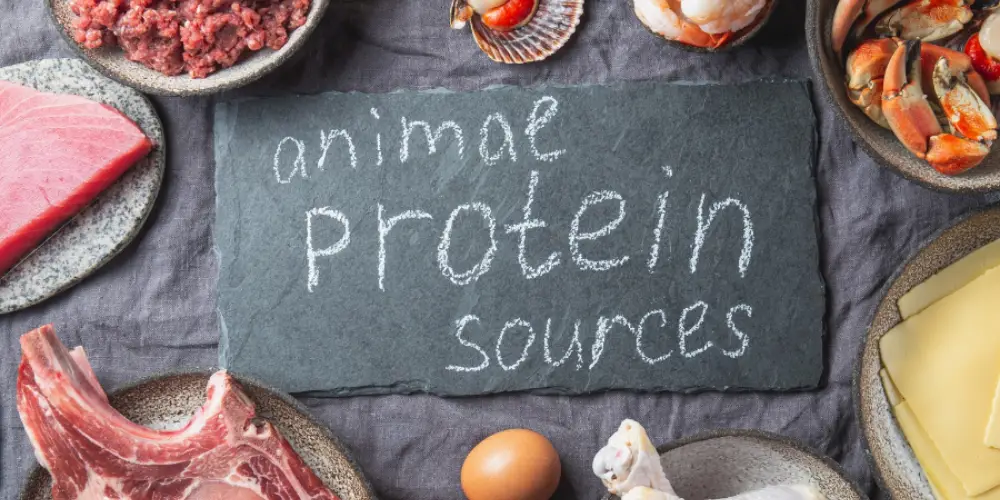
Choose variety: Include vegetarian protein sources like lentils, paneer, tofu, beans, and nuts, alongside eggs, chicken, fish, and seafood if you eat them.
Include protein in meals: Adding protein to main meals can support muscle maintenance, tissue repair, and overall health.
Match your needs: Protein requirements vary depending on age, activity level, body size, and health goals.
Focus on balance: Combine protein-rich foods with vegetables, whole grains, fruits, and healthy fats for a balanced diet.
Protein is one of the most important nutrients your body needs every day. It supports muscle growth, tissue repair, hormone production, immune function and overall health. Whether you are trying to build muscle, manage your weight or simply eat a more balanced diet, choosing the right high-protein foods can make a significant difference.
The good news is that protein is not limited to meat or protein supplements. From lentils and paneer to eggs, fish and chicken, there are plenty of protein-rich foods for both vegetarian and non-vegetarian diets.
Here are 30 of the best protein sources you can add to your everyday meals.
Paneer is a popular vegetarian protein source and works well in curries, salads, wraps and grilled dishes. It is also a good source of calcium.
Greek yogurt contains more protein than regular yogurt and makes an excellent breakfast or post-workout snack. Add fruits, nuts or seeds for a more balanced meal.
Lentils are affordable, versatile and rich in plant-based protein. Dal, lentil soups and salads are easy ways to include them in your diet.
Chickpeas provide protein and dietary fibre, making them a filling addition to salads, curries, hummus and roasted snacks.
Rajma is a nutritious source of plant protein and fibre. Pairing it with whole grains can create a satisfying and nutrient-rich meal.
Soybeans are among the more protein-dense plant foods and can be enjoyed in several forms, including boiled soybeans, soy chunks and tofu.
Tofu is a versatile plant-based protein made from soybeans. It can be grilled, stir-fried, baked or added to curries.
Soy chunks are particularly popular among people looking for high-protein vegetarian foods. They can be added to curries, pulao, wraps and salads.
Green peas provide protein along with fibre and several essential nutrients. They can easily be incorporated into rice, pasta, curries and salads.
Cottage cheese is another convenient protein-rich dairy food. It can be eaten on its own or combined with vegetables and whole grains.
Quinoa is a plant-based food that provides protein as well as complex carbohydrates and fibre. It works particularly well in bowls, salads and meal-prep recipes.
Chia seeds provide plant-based protein, fibre and healthy fats. Add them to smoothies, yogurt or overnight oats.
Pumpkin seeds are a convenient snack and can add protein, healthy fats and minerals to salads, oatmeal and homemade trail mixes.
Almonds provide protein, healthy fats and fibre. A small handful makes a convenient snack between meals.
Peanut butter is an easy way to increase the protein and calorie content of smoothies, toast and oatmeal. Choose varieties with minimal added sugar and unnecessary ingredients.
Chicken breast is one of the most popular high-protein foods for muscle growth because it provides substantial protein with relatively little fat, particularly when prepared without excessive oil.
Eggs are affordable, versatile and contain high-quality protein. They can be included at breakfast, lunch or dinner in numerous forms.
Salmon combines protein with omega-3 fatty acids. Grilled or baked salmon can be an excellent addition to a balanced diet.
Tuna is a convenient protein source for salads, sandwiches and wraps. Choose preparation methods that fit your overall nutritional goals.
Sardines provide protein along with omega-3 fats and other nutrients. They can be grilled, baked or incorporated into salads.
Prawns are relatively lean and protein-rich, making them a useful option for people looking to increase protein intake without adding large amounts of fat.
Turkey is a lean meat that can be used in sandwiches, salads, wraps and main meals.
Lean cuts of beef provide protein as well as nutrients such as iron and vitamin B12. Choosing leaner cuts can help manage overall fat intake.
Different varieties of fish can provide high-quality protein and important nutrients. Grilling, steaming or baking can keep preparation relatively light.
Crab is a protein-rich seafood option that can be included in salads, soups and main meals.
Mackerel provides protein and healthy fats, including omega-3 fatty acids. It can be grilled or baked for a simple meal.
Lean pork cuts can be a good source of protein and can be prepared using grilling, roasting or baking.
Chicken thighs contain quality protein and are generally more flavorful than breast meat, although they typically contain more fat.
Turkey breast is a lean protein option that works well in sandwiches, salads and meal-prep dishes.
A variety of seafood can contribute to a protein-rich diet. Rotating different options such as fish, prawns, crab and other seafood can help add variety to your meals.
Your ideal protein intake depends on factors such as age, body size, activity level and health goals. People who exercise regularly or are focused on muscle development may have higher protein requirements than those with a sedentary lifestyle.
Rather than relying on one food, aim to include a protein source in every major meal. Combining protein with vegetables, whole grains, fruits and healthy fats can help create a more balanced diet.
A high-protein diet does not have to be complicated or expensive. Vegetarian options such as dal, paneer, tofu, chickpeas, beans, Greek yogurt and seeds can provide plenty of variety, while eggs, chicken, fish and seafood offer additional options for non-vegetarians.
The key is consistency. Choose a variety of high-protein foods, prepare them with balanced ingredients and build meals around your nutritional needs. Whether your goal is muscle growth, better satiety, weight management or simply healthier eating, the right protein sources can become an important part of your everyday diet.


