
15 Foods That Boost the Immune System
Your immune system is your body’s natural defence network. It helps protect you against harmful germs and supports your body’s…
Read More →

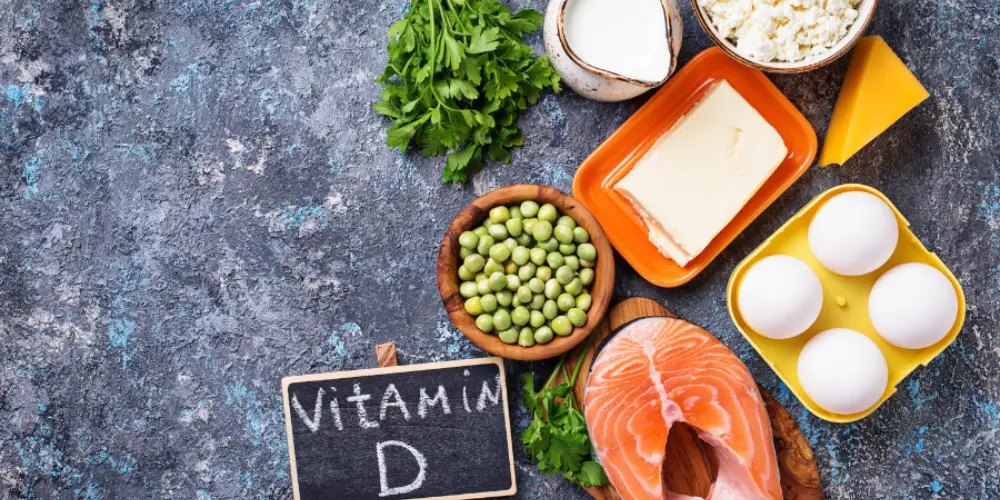
Fatty fish are top sources: Salmon, trout, sardines, mackerel, and tuna provide vitamin D.
Explore other food sources: Egg yolks and UV-exposed mushrooms can also contribute vitamin D.
Choose fortified foods: Fortified milk, plant-based beverages, cereals, and yogurt can help increase your intake.
Know your individual needs: Food alone may not provide enough vitamin D for everyone. Consult a healthcare professional if you’re concerned about deficiency.
Vitamin D may be called the “sunshine vitamin,” but the sun isn’t the only place your body can get it.
This essential nutrient plays an important role in calcium absorption, bone health, muscle function, and normal immune system function. Yet getting enough vitamin D through food can be challenging because relatively few foods naturally contain significant amounts of it.
So, what should you put on your plate?
From fatty fish and egg yolks to fortified milk and mushrooms, several foods can help increase your vitamin D intake. Here’s a practical guide to 15 vitamin D-rich foods and natural food sources that can fit into a healthy, balanced diet.
Think of vitamin D as a nutritional “gatekeeper” for calcium.
Your body needs vitamin D to help absorb calcium, which is essential for maintaining healthy bones and teeth. Vitamin D also contributes to normal muscle function and supports the immune system.
Unlike many vitamins, vitamin D can be produced by your body when skin is exposed to sunlight. However, factors such as season, location, skin pigmentation, age, clothing, sunscreen use, and time spent outdoors can influence vitamin D production.
That makes dietary sources particularly useful.
And while the list isn’t endless, the right foods can make a difference.
Salmon is one of the most valuable dietary sources of vitamin D. Fatty fish such as salmon also provide omega-3 fatty acids and high-quality protein, making them a nutrient-dense choice for a balanced diet.
Try baked salmon with vegetables or add cooked salmon to a whole-grain salad.
Rainbow trout is another excellent source of vitamin D. It also provides protein and beneficial fats.
Grill or bake trout with herbs and vegetables for a simple, nutritious meal.
Don’t underestimate these little fish. Sardines can provide vitamin D, omega-3 fatty acids, calcium, and protein.
Enjoy them in salads, sandwiches, or as part of a balanced meal.
Mackerel is an oily fish that can contribute vitamin D and omega-3 fats to your diet. Choose appropriate varieties and preparation methods, such as grilling or baking.
Tuna, including canned tuna, can be a practical source of vitamin D. It is also rich in protein.
For regular fish consumption, vary your choices and follow local guidance concerning mercury exposure.
Egg yolks naturally contain vitamin D, although the amount can vary.
Eggs are easy to incorporate into breakfast, salads, sandwiches, or main meals, making them a convenient addition to a balanced diet.
Certain mushrooms can provide vitamin D, particularly mushrooms that have been exposed to ultraviolet light.
For people following vegetarian or plant-forward diets, UV-exposed mushrooms can be a useful dietary option.
Many types of milk are fortified with vitamin D. Check the nutrition label to confirm the amount.
Milk can also provide calcium and protein, making fortified varieties a convenient choice for supporting bone health.
Prefer almond, soy, oat, or another plant-based beverage?
Many are fortified with vitamin D. However, fortification varies between products, so always check the nutrition label.
Fortified soy beverages may also provide protein comparable to dairy milk.
Some yogurt products contain added vitamin D. Look for fortified options and compare nutrition labels when shopping.
Pair yogurt with fruit, nuts, or seeds for a nutrient-rich breakfast or snack.
Certain breakfast cereals are fortified with vitamin D and can contribute to daily intake.
For a healthier choice, look for cereals with less added sugar and pair them with fortified milk or a fortified plant-based beverage.
Some orange juices are fortified with vitamin D. If you choose fortified juice, check the nutrition label and be mindful of portion size and added sugars.
Whole fruit generally provides more fiber than juice.
Cod liver oil is a concentrated source of vitamin D and vitamin A and also contains omega-3 fats.
Because supplements and concentrated oils can provide substantial amounts of nutrients, they should be used thoughtfully rather than assuming more is better.
Some cheese products may be fortified with vitamin D, although levels vary considerably.
Cheese can contribute calcium and protein but can also be relatively high in saturated fat and sodium, so moderation and portion size matter.
Some tofu products are fortified with vitamin D, while others are not. Check the product label before assuming it is a vitamin D source.
Tofu can be especially useful in vegetarian diets because it also provides plant-based protein.
Here’s something many people don’t realize:
Very few foods naturally contain significant amounts of vitamin D.
Fatty fish and fish liver oils are among the richest natural sources. Egg yolks and certain mushrooms provide smaller amounts.
That’s why food fortification is so important. Manufacturers may add vitamin D to foods such as milk, plant-based beverages, cereals, and some other products.
The smartest habit?
Read the label instead of guessing.
Vitamin D content can vary substantially between brands and products.
You don’t need to redesign your entire diet.
Try simple combinations:
Breakfast: Eggs + fortified milk or yogurt
Lunch: Tuna or sardine salad + vegetables
Snack: Fortified yogurt + fruit and nuts
Dinner: Baked salmon or trout + vegetables + whole grains
Vegetarian option: UV-exposed mushrooms + fortified plant-based milk + vitamin D-fortified tofu
A varied diet gives you the best opportunity to obtain vitamin D alongside other essential nutrients.
Vitamin D may start with sunshine, but your plate can help too.
Fatty fish such as salmon, trout, sardines, mackerel, and tuna are among the best food sources. Eggs, mushrooms, and fortified foods can provide additional options—especially for people who eat little or no fish.
The key is not to search for one “miracle” food. Instead, build a varied diet that combines vitamin D sources with calcium-rich foods, protein, vegetables, fruits, whole grains, and healthy fats.
And remember: if you suspect you may have low vitamin D, food choices are only part of the picture. A healthcare professional can help determine whether testing or supplementation is appropriate for you.
Small dietary choices can add up to a stronger nutritional foundation – one meal at a time.


