Walking for Weight Loss: How Much Should You Walk Each Day?
How Much Should You Walk Each Day to Lose Weight? For walking for weight loss, a practical goal is about…
Read More →

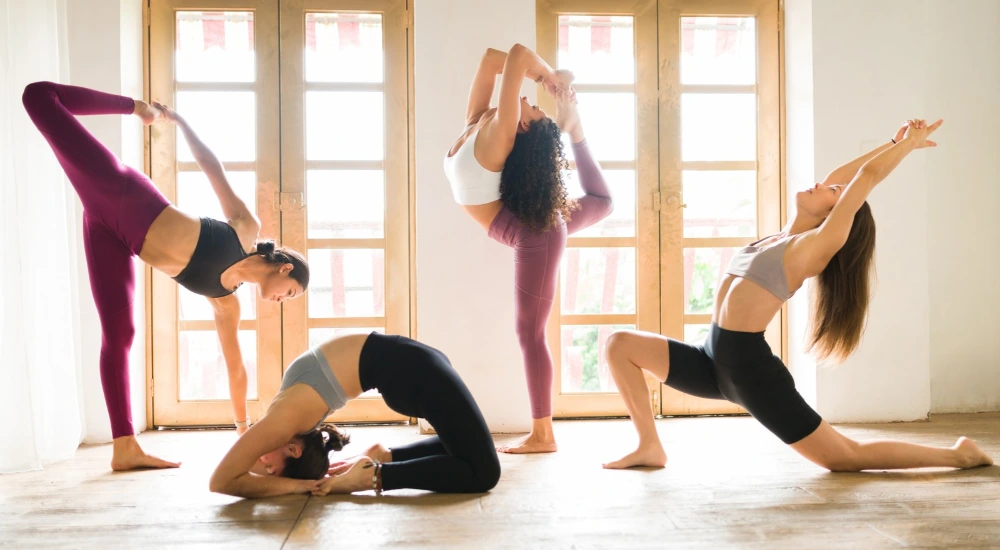
Yoga may help manage everyday stress, encourage relaxation, and support better sleep.
You can practise these poses at home without expensive equipment.
Breathe slowly and naturally, and never force your body into a position.
Start with 5–10 minutes and increase your practice as you feel comfortable.
Yoga can complement mental health care but should not replace professional treatment when needed.
Feeling stressed, overwhelmed, or mentally exhausted? Taking a few minutes for yourself may help you feel calmer. Yoga combines gentle movements, breathing, and mindfulness to support relaxation and overall wellbeing.
You do not need to be flexible or experienced to begin. Many yoga poses can be adapted for beginners using cushions, folded blankets, or a wall for support.
In this guide, we explore 10 yoga poses for stress relief, how to do each one, and the potential benefits for your body and mind.
Benefits: Encourages mindful breathing, helps you pause from daily distractions, and may promote a sense of calm.
How to do it:
Benefits: Gently moves the spine, loosens stiffness in the back, and brings attention to your breathing.
How to do it:
Benefits: Offers a restful position and gently stretches the back, hips, and thighs.
How to do it:
Tip: Place a cushion between your hips and heels if needed. Avoid the pose if it causes knee or hip pain.
Benefits: Stretches the back of the legs and may help release physical tension while encouraging a quiet pause.
How to do it:
Tip: Keep your knees bent if your hamstrings feel tight. Avoid deep forward folds if you have a back condition unless advised by a professional.
Benefits: Stretches the inner thighs and backs of the legs and encourages mindful movement.
How to do it:
Tip: Avoid forcing your head towards the floor. If you feel dizzy, come out of the pose carefully.
Benefits: Gently stretches the inner thighs and groin and provides an opportunity to slow down and focus on your breath.
How to do it:
Tip: Place cushions under your knees for support. Do not push your knees down.
Benefits: Opens the front of the body and gently stretches the chest and hips. A supported version can be part of a relaxing yoga routine.
How to do it:
Tip: Never place the block directly under your lower back. Skip this pose if it causes pain.
Benefits: Gently rotates the spine and may ease feelings of stiffness in the back.
How to do it:
Tip: Keep the movement small and comfortable. Avoid twisting through pain.
Benefits: Provides a restful position, may ease the feeling of tired legs, and encourages relaxation.
How to do it:
Tip: Use a folded blanket under your head if needed. Ask a healthcare professional before practising inverted or legs-up poses if you have glaucoma or a condition that makes them unsuitable.
Benefits: Allows the body to rest after movement and helps you practise stillness and mindful breathing.
How to do it:
Tip: Place a pillow under your knees or lie on your side if that feels more comfortable.
Start with 5–10 minutes a day or practise a few times a week. Choose two or three poses that feel comfortable, then gradually build a routine. There is no need to complete all 10 poses every day.
A quiet space, comfortable clothing, and unhurried breathing can make your practice easier to maintain. Stop if a pose causes pain, dizziness, or discomfort.
Yoga may support relaxation, but it is not a guaranteed treatment for anxiety, depression, or chronic stress. If stress is affecting your sleep, relationships, work, or daily life, speak with a qualified healthcare professional. Yoga can be used alongside appropriate care.
If you are pregnant, have an injury, or live with a medical condition that affects movement or balance, ask your healthcare professional or a qualified yoga instructor about suitable modifications.
Yoga gives you a chance to slow down, move gently, and reconnect with your breathing. From Easy Seated Pose to Savasana, these 10 poses can form a simple relaxation routine that fits into everyday life.
Start where you are, choose movements that feel comfortable, and focus on consistency rather than perfection. Even a short, mindful break can be a useful part of caring for your wellbeing.
Disclaimer:
This article is for general educational purposes only and summarizes guidance from recognized health organizations such as the WHO, the NCI and other authoritative sources. Health research evolves, and individual risk varies with age, genetics, lifestyle and medical history. Nothing here is intended as medical advice, diagnosis, treatment or a judgement of anyone’s personal choices. Please consult a qualified healthcare professional before making decisions about your health. If you notice anything that needs updating, please contact us.