
12 Cold Meals to Enjoy During Menopause Hot Flashes
What Cold Meals Can You Eat During Menopause Hot Flashes? Cold meals during menopause hot flashes are dishes you can…
Read More →

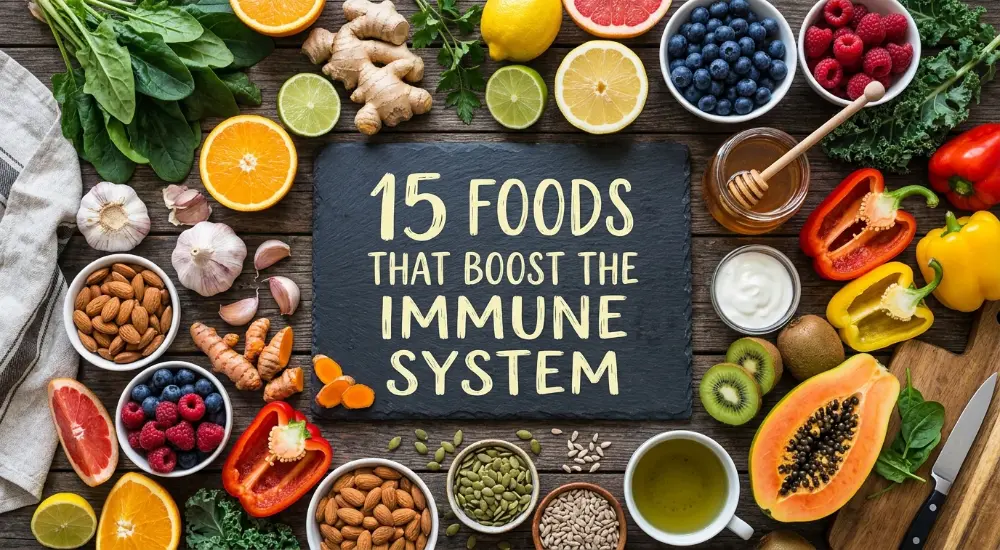
A balanced diet provides essential nutrients that help your immune system function properly.
Fruits, vegetables, whole grains, nuts, seeds, and protein-rich foods offer important vitamins and minerals.
Eating a variety of foods is more beneficial than relying on one so-called immunity-boosting food.
Healthy eating, quality sleep, regular physical activity, and vaccination all contribute to overall health.
No single food can prevent infections or guarantee protection against illness.
Your immune system is your body’s natural defence network. It helps protect you against harmful germs and supports your body’s response to infections.
To function properly, your immune system needs several nutrients, including vitamins A, C, D and E, zinc, selenium, iron, and protein. A varied and balanced diet can help provide these essential nutrients.
You don’t need expensive superfoods or complicated meal plans to support your immune health. Everyday foods available across different countries can provide valuable nutrition.
Here are 15 foods you can include in your daily diet to support normal immune function.
Oranges, lemons, grapefruit, and mandarins are popular sources of vitamin C. This vitamin supports immune cell function and helps protect cells from oxidative damage.
How to enjoy: Eat fresh citrus fruits, add lemon to meals, or enjoy a glass of unsweetened citrus juice.
Strawberries, blueberries, raspberries, and blackberries contain vitamin C, fibre, and plant compounds called antioxidants.
These nutrients help support overall health and protect cells from oxidative stress.
How to enjoy: Add fresh or frozen berries to oatmeal, yoghurt, or smoothies.
Red bell peppers are rich in vitamin C and also provide beta-carotene, which the body can convert into vitamin A. Both nutrients support normal immune function.
How to enjoy: Add sliced peppers to salads, sandwiches, stir-fries, or roasted vegetable dishes.
Broccoli provides vitamins C and A, folate, fibre, and other beneficial plant compounds. It is an easy way to add more nutrients to your meals.
How to enjoy: Steam, roast, or lightly stir-fry broccoli. Avoid overcooking it.
Spinach, kale, and other leafy greens provide folate, vitamins A, C and E, and several minerals. These nutrients help support different functions in the immune system.
How to enjoy: Add leafy greens to soups, salads, curries, or omelettes.
Garlic contains sulphur-containing compounds, including allicin, which forms when fresh garlic is crushed or chopped. It also provides small amounts of certain vitamins and minerals.
Garlic can be part of a healthy diet, although it is not a proven treatment or prevention for infections.
How to enjoy: Use fresh garlic in soups, sauces, curries, and vegetable dishes.
Ginger contains natural plant compounds such as gingerols. It adds flavour to meals and can be included as part of a varied, nutritious diet.
However, ginger should not be considered a cure for colds or other infections.
How to enjoy: Add fresh ginger to tea, soups, stir-fries, or homemade meals.
Yoghurt provides protein, calcium, and, depending on the product, live cultures. Some fermented foods contain beneficial microorganisms that may support gut health.
Choose plain, unsweetened yoghurt when possible.
How to enjoy: Eat it with fruit, add it to smoothies, or serve it alongside meals.
Eggs provide high-quality protein, vitamin B12, selenium, and some vitamin D. Protein is important for building and maintaining immune cells and other body tissues.
How to enjoy: Include boiled, poached, or scrambled eggs in your meals.
Salmon, sardines, mackerel, and trout provide protein, vitamin D, and omega-3 fatty acids. Vitamin D plays a role in normal immune function.
How to enjoy: Grill, bake, or steam fish and serve it with vegetables or whole grains.
Almonds, walnuts, and other nuts provide vitamin E, healthy fats, protein, and minerals. Vitamin E helps protect cells from oxidative damage.
How to enjoy: Have a small handful as a snack or add chopped nuts to oatmeal and salads.
Pumpkin seeds, sunflower seeds, and sesame seeds provide nutrients such as zinc, vitamin E, iron, and healthy fats. Zinc is particularly important for normal immune cell function.
How to enjoy: Sprinkle seeds over salads, soups, yoghurt, or breakfast bowls.
Beans, chickpeas, peas, and lentils are affordable sources of plant-based protein, fibre, iron, folate, and zinc.
They are especially useful for people following vegetarian or vegan diets.
How to enjoy: Add them to soups, stews, salads, curries, or rice dishes.
Sweet potatoes contain beta-carotene, which the body converts into vitamin A. Vitamin A helps maintain healthy skin and the protective linings of the respiratory and digestive systems.
How to enjoy: Bake, roast, steam, or mash sweet potatoes as part of a balanced meal.
Oats, brown rice, quinoa, barley, and whole-wheat products provide fibre, B vitamins, iron, and other minerals. Whole grains can also support a healthy digestive system.
How to enjoy: Choose whole-grain bread, oatmeal, brown rice, or quinoa more often.
Eating nutritious foods is one part of maintaining a healthy immune system. You can also support your overall health by:
Supporting your immune system starts with everyday food choices. Citrus fruits, berries, leafy greens, yoghurt, eggs, fish, nuts, seeds, beans, and whole grains can provide nutrients your body needs for normal immune function.
Remember, there is no magic food that can prevent every infection. Focus on eating a varied, balanced diet and maintaining healthy daily habits rather than relying on a single ingredient or supplement.
Disclaimer: This article is for general educational purposes only and summarizes guidance from recognized health organizations such as the WHO, the NCI and other authoritative sources. Health research evolves, and individual risk varies with age, genetics, lifestyle and medical history. Nothing here is intended as medical advice, diagnosis, treatment or a judgement of anyone’s personal choices. Please consult a qualified healthcare professional before making decisions about your health. If you notice anything that needs updating, please contact us.


