10 Health Conditions That Can Mimic Anxiety: Symptoms, Warning Signs and What Doctors Recommend
Can a Physical Health Condition Feel Like Anxiety? Yes. Several health conditions can mimic anxiety, causing a racing heartbeat, trembling,…
Read More →

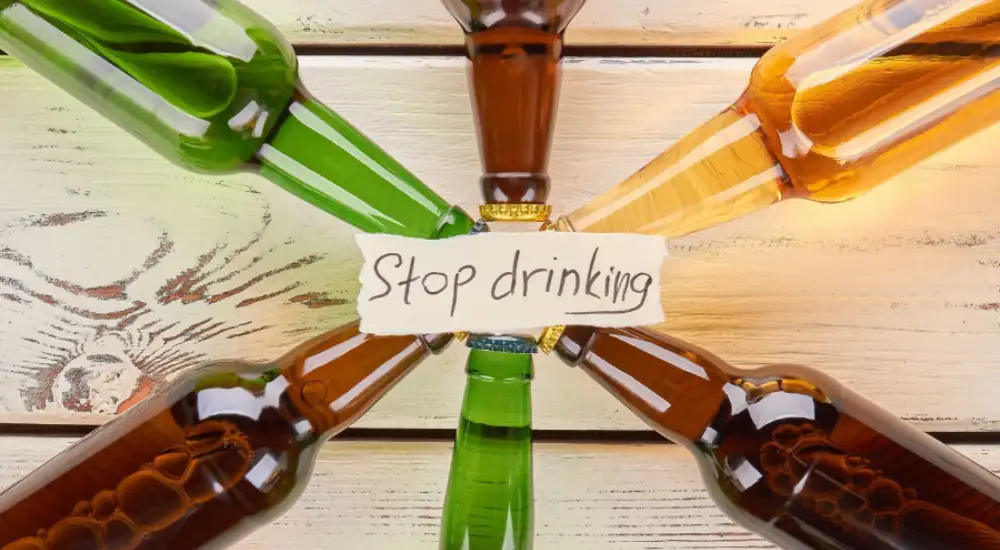
According to the WHO, no level of alcohol consumption has been identified as completely risk-free in relation to cancer.
IARC classifies alcohol as a Group 1 carcinogen. This classification reflects the strength of evidence that a substance can cause cancer. It does not describe how large the risk is, and substances in this group differ widely in the level of risk they carry.
According to IARC, alcohol is linked to at least seven types of cancer, including bowel and breast cancer.
All drinks carry risk, whether beer, wine, or spirits, because the relevant exposure is the ethanol they contain.
Cutting back lowers risk. Reducing or stopping alcohol consumption can lower the risk of certain alcohol-related cancers.
For years, many people believed that a glass of wine with dinner was harmless or even good for the heart. However, scientific evidence has established a clear link between alcohol consumption and several types of cancer.
According to the World Health Organization (WHO), alcohol is a carcinogen associated with at least seven types of cancer, including breast, bowel, liver, and mouth cancers. The WHO states that no level of alcohol consumption is known to be completely risk-free in relation to cancer.
But does occasional drinking increase cancer risk? Is red wine safer than beer or spirits? And can reducing alcohol make a difference? Here is what the evidence and cancer experts say.
The WHO and the International Agency for Research on Cancer (IARC) identify alcohol as a preventable cancer risk factor. IARC’s 2025 evidence summary confirms that alcohol causes at least seven cancer types and that reducing or quitting alcohol can lower alcohol-related cancer risk.
This advice reflects the evidence reviewed by IARC. Dr Harriet Rumgay, a scientist in IARC’s Cancer Surveillance Branch, has noted that reducing alcohol intake lowers cancer risk at the population level. This is not a guarantee that any individual will avoid cancer by cutting back or stopping.
What this means for you: If you do not drink, you do not need to start for health benefits. If you drink, reducing your intake is a practical way to reduce alcohol exposure.
Alcohol can contribute to cancer through several biological processes:
These mechanisms help explain why alcohol is considered carcinogenic. They do not mean that every person who drinks will develop cancer.
According to WHO and IARC, research has established a causal link between alcohol and at least seven cancer types:
IARC estimates that approximately 741,300 new cancer cases worldwide in 2020 were attributable to alcohol, representing about 4.1% of all new cancer cases that year.
According to the WHO, no level of alcohol consumption has been identified as completely risk-free for cancer. Research suggests that even lower levels of drinking may be linked to a small increase in the risk of certain cancers, particularly breast cancer in women. Health organisations note that, generally, the more alcohol a person consumes, the higher the risk.
However, increased risk does not mean cancer is inevitable. A person’s overall risk also depends on factors such as age, genetics, tobacco use, and other health conditions.
The US National Cancer Institute (NCI) explains that alcohol-related cancer risk varies by cancer type and drinking level. It also distinguishes between relative risk, which is the proportional increase in risk, and absolute risk, which is the actual chance of developing disease. As an example, the NCI, citing the US Surgeon General’s Advisory, reports that about 17 in 100 women who drink less than one drink a week develop an alcohol-related cancer, compared with about 19 in 100 women who have one drink a day. For men, the figures are about 10 and 11 in 100.
https://www.cancer.gov/about-cancer/causes-prevention/risk/alcohol/alcohol-fact-sheet
https://www.hhs.gov/sites/default/files/oash-alcohol-cancer-risk.pdf
No alcoholic beverage has been shown to eliminate alcohol-related cancer risk. Beer, wine, whisky, vodka, and other alcoholic drinks all contain ethanol, which the body breaks down into acetaldehyde.
Red wine contains compounds such as resveratrol, but there is no convincing evidence that drinking red wine prevents cancer or offsets alcohol-related harm. Changing the type of drink does not remove the risk.
So, is any amount of alcohol safe for your health when it comes to cancer risk? No amount has been established as completely risk-free. According to WHO and IARC, alcohol is a recognised carcinogen linked to at least seven types of cancer, and risk generally increases as consumption rises.
The encouraging news is that alcohol consumption is a modifiable risk factor. Drinking less or choosing not to drink can reduce alcohol-related cancer risk. Making informed decisions about alcohol is one practical way to support your long-term health.
This article is for educational purposes only and does not replace professional medical advice, diagnosis, or treatment. Consult a qualified healthcare professional about your personal cancer risk or support with reducing alcohol use.
Medical disclaimer: This article summarises guidance from WHO, IARC and the US National Cancer Institute. It is not intended to judge any individual’s drinking choices.
Source:
https://www.iarc.who.int/news-events/latest-global-data-on-cancer-burden-and-alcohol-consumption/
https://www.cancer.gov/about-cancer/causes-prevention/risk/alcohol/alcohol-fact-sheet