10 Health Conditions That Can Mimic Anxiety: Symptoms, Warning Signs and What Doctors Recommend
Can a Physical Health Condition Feel Like Anxiety? Yes. Several health conditions can mimic anxiety, causing a racing heartbeat, trembling,…
Read More →

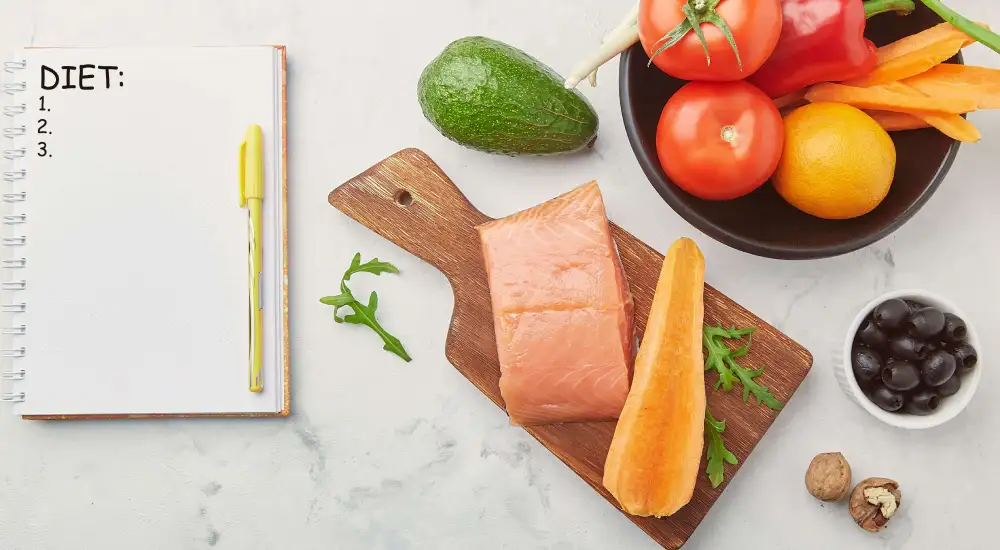
A healthy weight-loss diet does not need to be complicated or extremely restrictive. This 7-day plan focuses on protein, vegetables, fruits, high-fiber carbohydrates, and moderate portions of healthy fats.
Use it as a starting point rather than a short-term diet. Choose the meals you enjoy and gradually turn them into sustainable eating habits.
For personalized calorie targets, portion sizes, food substitutions, or dietary changes related to a medical condition, consult a qualified healthcare professional or registered dietitian.
Losing weight does not mean skipping meals or following an extremely restrictive diet. A balanced meal plan can help you manage portions, eat more nutrient-rich foods, and develop habits that are easier to maintain.
This simple 7-day weight-loss meal plan is designed for generally healthy adults. You can adjust ingredients and portions according to your preferences, food availability, and nutritional needs.
Breakfast: Oatmeal with berries, Greek yogurt, and a small handful of nuts.
Lunch: Grilled chicken with quinoa and a mixed vegetable salad.
Snack: One apple with a small amount of peanut butter.
Dinner: Baked salmon with roasted vegetables and a small serving of brown rice.
Breakfast: Two eggs with whole-grain toast, avocado, and fresh fruit.
Lunch: Tuna and whole-grain sandwich with a large green salad.
Snack: Greek yogurt with fresh berries.
Dinner: Grilled chicken breast with baked sweet potato and steamed broccoli.
Breakfast: Greek yogurt with oats, banana, and chia seeds.
Lunch: Lentil and vegetable soup with whole-grain bread and a side salad.
Snack: Carrot and cucumber sticks with hummus.
Dinner: Grilled fish with quinoa and roasted vegetables. Tofu can be used instead of fish.
Breakfast: Vegetable omelet with whole-grain toast and a piece of fruit.
Lunch: Turkey or tofu whole-grain wrap with lettuce, tomato, cucumber, and other vegetables.
Snack: A small handful of nuts with one piece of fruit.
Dinner: Lean beef or tofu stir-fry with mixed vegetables and brown rice.
Breakfast: Overnight oats with berries, chia seeds, and Greek yogurt.
Lunch: Chickpea and quinoa salad with mixed vegetables and a light dressing.
Snack: Cottage cheese or Greek yogurt with fresh fruit.
Dinner: Grilled chicken or tofu with roasted vegetables and a baked potato.
Breakfast: Whole-grain toast with eggs, avocado, and fresh fruit.
Lunch: Grilled salmon or tofu bowl with quinoa, leafy greens, and mixed vegetables.
Snack: One apple or pear with a small handful of almonds.
Dinner: Vegetable soup with chicken, turkey, beans, or lentils, served with whole-grain bread and salad.
Breakfast: Oatmeal with banana, berries, cinnamon, and a small amount of nuts.
Lunch: Grilled chicken or tofu salad with quinoa, leafy greens, and mixed vegetables.
Snack: Greek yogurt with fresh fruit.
Dinner: Baked fish or beans with roasted vegetables and a small portion of brown rice.
Preparation can make the plan easier to follow. Before the week begins, create a grocery list and prepare some foods in advance, such as cooked grains, roasted vegetables, grilled chicken, or boiled eggs.
You do not need to follow the plan perfectly. If you eat a restaurant meal or choose a different food, simply return to your usual routine at the next meal. A sustainable eating pattern is generally more useful than extreme short-term restriction.
Think of this 7-day plan as a starting framework rather than a crash diet. Long-term weight management also depends on physical activity, sleep, stress, medications, medical conditions, and other individual factors.
Following a balanced meal plan can help create a more structured eating routine and increase your intake of protein, vegetables, fruits, whole grains, and other nutrient-rich foods. It may also help reduce frequent consumption of sugary drinks, highly processed foods, and calorie-dense snacks.
When combined with an appropriate calorie intake and regular physical activity, a healthy eating pattern can support weight loss and weight management.
However, everyone responds differently. Do not expect a specific amount of weight loss after seven days. Your results can be influenced by factors such as age, activity level, sleep, medications, medical conditions, and overall calorie intake. Gradual weight loss is generally more sustainable than rapid weight loss.
This is a general meal plan, not a medical diet. Speak with a doctor or registered dietitian before making significant dietary changes if you have diabetes, kidney disease, heart disease, high blood pressure, a gastrointestinal condition, or another chronic health condition.
You should also seek professional guidance if you are pregnant or breastfeeding, underweight, unintentionally losing weight, recovering from major illness or surgery, or have a current or previous eating disorder. Children and teenagers have different nutritional requirements and should not follow an adult weight-loss plan without appropriate professional guidance.
People taking medications that affect blood sugar, blood pressure, fluid balance, or nutrition may also require an individualized eating plan.