Why Is My Period Late? Common Reasons for a Delayed Period
Your period is late, and suddenly every possibility starts running through your mind. Pregnancy? Stress? Hormones? Something else? A delayed…
Read More →

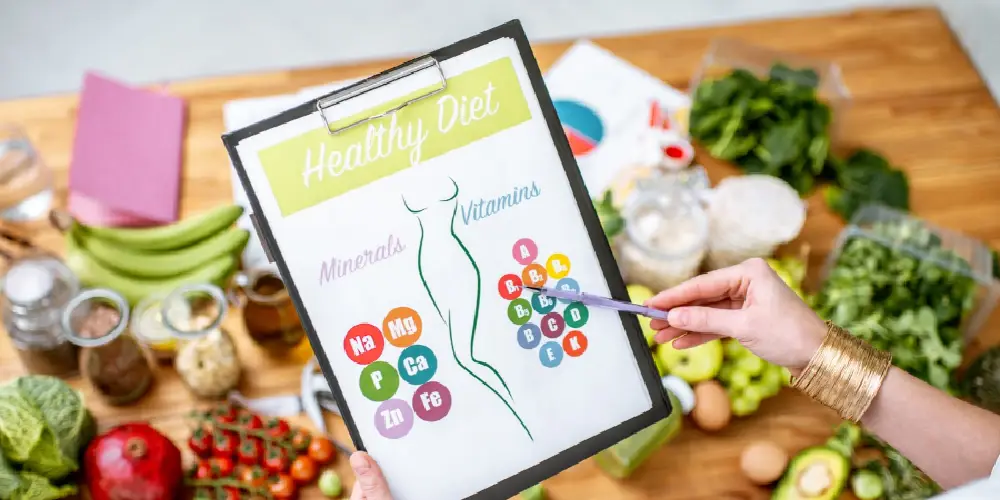
Choose balanced meals: Include protein, vegetables, fiber-rich carbohydrates, and healthy fats to support overall health.
Limit, don’t eliminate: Reduce sugary drinks and highly processed foods without completely cutting out rice, roti, or fruit.
Follow a flexible meal plan: Use the 7-day PCOS diet plan as a guide and adjust meals to your preferences and nutritional needs.
Focus on individual health: PCOS affects everyone differently. Consult a qualified healthcare professional for personalized advice and symptom management.
Can changing your diet really help with PCOS? Yes but you don’t need to survive on salads or completely cut out carbohydrates.
Polycystic ovary syndrome (PCOS) is a common hormonal and metabolic condition that can affect periods, ovulation, insulin sensitivity, androgen levels, skin, weight, and fertility.
The right PCOS diet plan isn’t about starving yourself or following an extreme “no-carb” routine. It’s about building balanced meals that provide enough protein, fiber, healthy fats, vitamins, and minerals while limiting highly processed foods and excess added sugar.
Whether you’re searching for a PCOS diet for weight loss, wondering about the best foods for PCOS, or looking for an easy 7-day PCOS meal plan, here’s a practical place to start.
Let’s clear up one common misconception:
There is no magic PCOS food and no single “perfect” PCOS diet.
Research and clinical guidelines generally emphasize sustainable healthy eating rather than one specific diet pattern.
A good PCOS meal should ideally contain a combination of:
Protein + high-fiber carbohydrates + vegetables + healthy fats.
This combination can make meals more filling and help you build a balanced overall eating pattern.
Protein can help support muscle health and make meals more satisfying.
Good options include:
For a vegetarian PCOS diet plan, combining legumes, dairy, soy foods, nuts, and seeds can provide plenty of protein variety.
Having PCOS doesn’t mean you have to avoid carbohydrates.
Instead, choose nutrient-rich, higher-fiber options such as:
The key is quality, portion, and what you pair your carbohydrates with.
For example, instead of eating a large bowl of plain rice alone, combine a moderate portion with dal, vegetables, and a protein source.
Vegetables should be a regular part of your PCOS meal plan.
Think colorful rather than complicated:
Spinach, broccoli, cauliflower, carrots, tomatoes, cucumber, peppers, green beans, cabbage, and other seasonal vegetables.
Fresh or frozen vegetables can both fit into a healthy diet.
Healthy fats can add flavor and help make meals more satisfying.
Try:
You don’t need to eliminate dietary fat simply because you’re trying to manage your weight.
“Foods to avoid with PCOS” is a popular search—but the reality is more nuanced.
There isn’t a universal list of foods that every person with PCOS must completely eliminate.
Instead, try to limit frequent consumption of:
You don’t need to panic after eating a dessert or having your favorite meal.
Consistency matters more than perfection.
Looking for a simple 7-day PCOS meal plan? Use this as inspiration rather than a rigid prescription.
Breakfast: Vegetable omelet + whole-wheat toast + plain yogurt
Lunch: Dal + brown rice + mixed vegetable sabzi + salad
Snack: Apple + almonds
Dinner: Grilled fish + roasted vegetables + quinoa
Breakfast: Oatmeal + chia seeds + walnuts + berries
Lunch: Chickpea salad + cucumber + tomato + leafy greens + yogurt dressing
Snack: Guava + pumpkin seeds
Dinner: Tofu or paneer stir-fry + vegetables + brown rice
Breakfast: Greek yogurt + fruit + flaxseeds + nuts
Lunch: Whole-wheat rotis + rajma + vegetable salad
Snack: Boiled egg or roasted chickpeas
Dinner: Grilled chicken + sautéed vegetables + quinoa
Breakfast: Vegetable poha + peanuts + plain yogurt
Lunch: Paneer or tofu bowl + mixed vegetables + millet
Snack: Orange + walnuts
Dinner: Lentil soup + whole-grain toast + vegetable salad
Breakfast: Eggs + tomato + whole-grain toast
Lunch: Chicken or chickpea whole-wheat wrap + salad
Snack: Plain yogurt + chia seeds
Dinner: Baked salmon + vegetables + sweet potato
Breakfast: Vegetable upma + boiled egg or plain yogurt
Lunch: Dal + millet roti + vegetable sabzi + salad
Snack: Pear + almonds
Dinner: Tofu, paneer, or chicken curry + vegetables + brown rice
Breakfast: Oats with milk or unsweetened soy milk + nuts + fruit
Lunch: Rajma or chickpea bowl + quinoa + vegetables
Snack: Roasted chickpeas + fruit
Dinner: Grilled chicken or tofu + large salad + whole-wheat roti
If you’re looking for an Indian PCOS diet plan, you don’t need to abandon traditional foods.
Try simple changes:
White rice → brown rice or a smaller portion of regular rice
Refined flour snacks → whole-wheat or millet-based options
Sugary drinks → water, unsweetened beverages, or plain sparkling water
Deep-fried snacks → roasted or air-fried alternatives
Sweetened yogurt → plain yogurt with fruit
Large carbohydrate-heavy meals → add dal, paneer, eggs, tofu, chicken, fish, and vegetables
The goal isn’t to make traditional food “bad.” It’s to create a more balanced plate.
Weight loss is a common goal for people searching for a PCOS diet plan for weight loss, but it shouldn’t be the only measure of successful PCOS management.
For people with PCOS who are overweight or obesity, even modest weight reduction may improve some metabolic and reproductive outcomes.
However, not everyone with PCOS needs to lose weight.
A healthy PCOS diet should also focus on:
Avoid crash diets and extreme calorie restriction. They can be difficult to maintain and may leave you short of essential nutrients.
Reducing highly refined carbohydrates may be helpful for some people, particularly when it improves overall diet quality.
But that doesn’t mean all carbs are bad for PCOS.
Whole grains, beans, lentils, vegetables, fruits, and other fiber-rich carbohydrate sources can be part of a healthy PCOS eating pattern.
Rather than asking, “Should I stop eating carbs?” ask:
“How can I make my carbohydrate choices more nutritious and balanced?”
The best PCOS diet isn’t the diet that promises the fastest transformation, it’s the one you can actually live with.
Build meals around protein, vegetables, fiber-rich carbohydrates, healthy fats, and minimally processed foods. Limit sugary drinks and highly processed foods without turning your diet into a list of forbidden foods.
If you’re looking for a PCOS diet for weight loss, remember that weight is only one part of the picture. PCOS management should also consider menstrual health, insulin sensitivity, cardiovascular risk, fertility goals, mental well-being, and your individual symptoms.
And if you have irregular periods, difficulty becoming pregnant, significant acne or excess hair growth, unexplained weight changes, or concerns about blood sugar, speak with a qualified healthcare professional.
With the right approach, healthy eating doesn’t have to mean eating less, it means making every meal work harder for your health.