10 Health Conditions That Can Mimic Anxiety: Symptoms, Warning Signs and What Doctors Recommend
Can a Physical Health Condition Feel Like Anxiety? Yes. Several health conditions can mimic anxiety, causing a racing heartbeat, trembling,…
Read More →

Support your hair from within: Eat enough protein and include iron-, zinc-, vitamin-D-rich foods, fruits, and vegetables in a balanced diet.
Protect your hair from damage: Use gentle shampoo and conditioner, avoid hot-oil treatments and excessive heat, and avoid hairstyles that repeatedly pull on the scalp.
Find the cause of persistent hair loss: Supplements, oils, and shampoos cannot treat every type of hair loss. Persistent or significant thinning should be evaluated by a dermatologist.
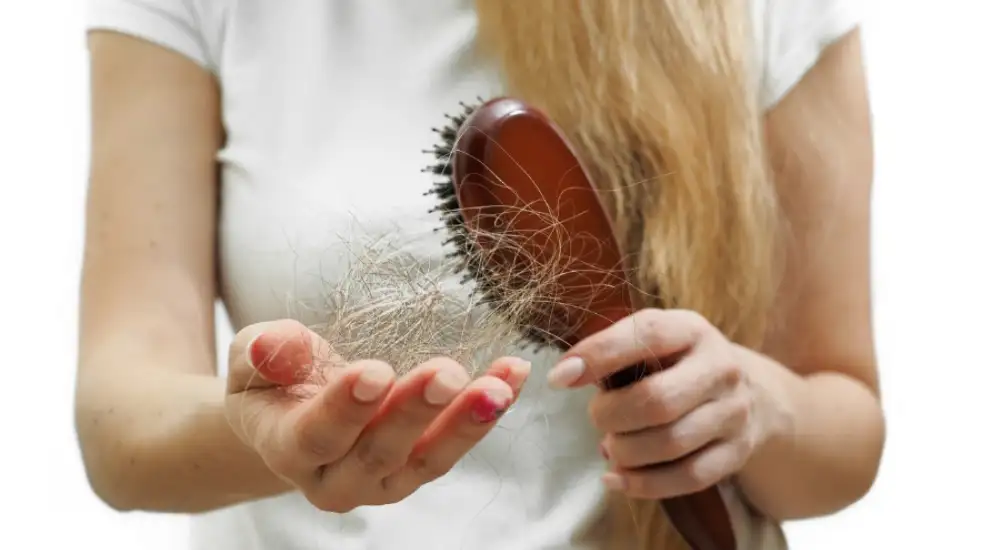
Seeing more hair on your pillow, in the shower, or on your brush can be worrying. Some daily shedding is normal—the American Academy of Dermatology (AAD) notes that losing around 50–100 hairs a day can be normal. However, noticeable thinning, bald patches, or a receding hairline may indicate hair loss, which can have many causes, including genetics, nutritional deficiencies, illness, stress, hormonal changes, medications, and damaging hair practices.
A healthy diet and gentle hair-care routine can support hair health, particularly when poor nutrition or hair damage contributes to the problem. However, there is no single food, oil, shampoo, or home remedy that can stop every type of hair loss.
Hair follicles require adequate energy, protein, vitamins, and minerals to function normally. Nutritional deficiencies, particularly inadequate protein, iron, zinc, and certain vitamins, can contribute to hair loss.
Protein provides the amino acids needed to build keratin, the main structural protein in hair. Include eggs, fish, chicken, lean meat, Greek yogurt, milk, tofu, beans, lentils, nuts, and seeds in your diet.
Avoid extremely restrictive or very low-calorie diets. The AAD notes that eating too few calories can contribute to significant hair loss.
Iron deficiency can be associated with hair loss. Good food sources include lean red meat, lentils, beans, spinach, fortified cereals, tofu, and seafood. Pair plant-based iron sources with vitamin-C-rich foods such as oranges, berries, kiwi, tomatoes, or bell peppers to support iron absorption.
Do not automatically start iron supplements because of hair fall. Iron supplementation should be based on appropriate medical assessment because excessive iron can be harmful.
Zinc supports normal cellular processes involved in healthy hair follicles. Include meat, seafood, eggs, dairy products, beans, lentils, pumpkin seeds, and nuts as part of a balanced diet.
Taking extra zinc when you are not deficient has not been clearly shown to improve hair growth, so avoid unnecessary high-dose supplementation.
Vitamin D is involved in normal hair-follicle biology, and low levels have been associated with some forms of hair loss. Food sources include fatty fish, egg yolks, fortified milk, and fortified plant-based beverages.
If you suspect vitamin D deficiency, a healthcare professional can determine whether testing or supplementation is appropriate.
A varied diet provides vitamins, minerals, and other nutrients needed for normal body function. Include leafy greens, berries, citrus fruits, tomatoes, avocados, and other colorful fruits and vegetables throughout the week.
The goal is not to find a single “hair-growth superfood,” but to maintain an overall nutritious eating pattern.
Hair supplements are heavily marketed, but more is not necessarily better. The AAD recommends finding out whether you actually have a nutrient deficiency before taking supplements for hair loss.
Biotin deficiency is rare, and high-dose biotin has limited evidence for improving hair in people who are not deficient. High doses can also interfere with certain laboratory tests.
Likewise, excessive amounts of iron, zinc, selenium, or vitamin A can be harmful and may contribute to hair problems. If a deficiency is identified, a dermatologist or qualified healthcare professional can recommend the appropriate supplement and dose.
Your everyday routine can help prevent avoidable hair damage.
Avoid crash dieting: Rapid weight loss and inadequate calorie or protein intake can contribute to increased shedding.
Manage stress: Significant physical or emotional stress can sometimes trigger increased shedding. Adequate sleep, regular physical activity, relaxation, and a consistent routine can support overall health.
Avoid constant pulling: Tight ponytails, buns, braids, cornrows, and extensions can repeatedly pull on the follicles and cause traction alopecia. If a hairstyle causes pain or scalp tenderness, it is too tight. Repeated tension can eventually cause permanent hair loss.
Avoid pulling or twisting your hair: These habits can weaken fragile hair and increase breakage.
For thinning or fragile hair, dermatologists recommend a gentle shampoo suited to your hair and scalp type. Apply shampoo mainly to the scalp rather than aggressively rubbing the entire hair length. Wash according to how oily or dirty your scalp becomes.
Use a moisturizing conditioner after washing to reduce dryness, tangling, and breakage. For fine or straight hair, focus mainly on the ends; for dry or curly hair, conditioner can be applied through the lengths. A leave-in conditioner or detangler may also help reduce breakage.
Hair oil may help with dryness and manageability, but no single oil is recommended by dermatologists as a universal treatment for hair loss. Avoid hot-oil treatments, particularly when hair is fragile, because heat can cause additional damage.
Also limit straighteners, curling irons, hot combs, and high-heat blow-drying. When heat is necessary, use a low or medium setting. Avoid excessive chemical treatments such as bleaching, relaxing, perming, or repeated coloring when your hair is already fragile.
Handle wet hair gently, avoid vigorous towel rubbing, and use a towel or T-shirt to absorb moisture. Detangle gently rather than pulling through knots.
Natural approaches can support healthy hair, but persistent hair loss deserves proper evaluation. See a board-certified dermatologist if you notice rapid shedding, bald patches, a receding hairline, significant thinning, scalp pain or inflammation, or hair loss that continues despite improving your diet and hair-care routine.
Hair loss has many possible causes, and the AAD recommends identifying the underlying cause because treatment depends on the type of hair loss. Early evaluation can help prevent further loss and guide appropriate treatment.