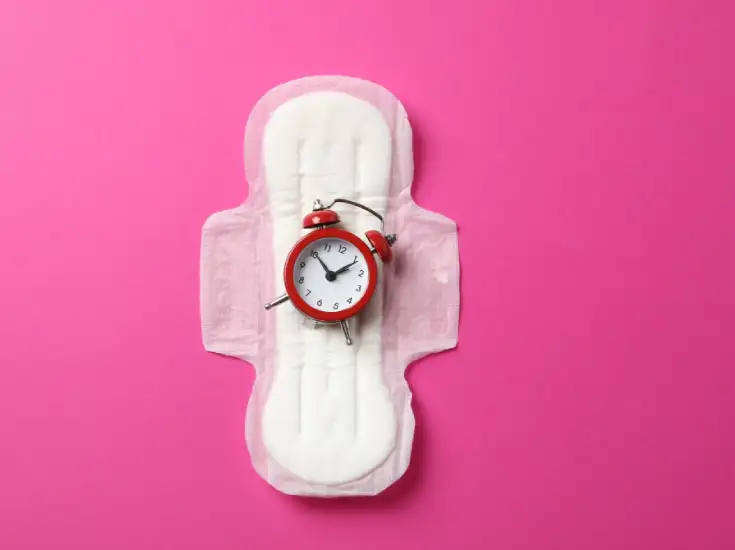
Why Is My Period Late? Common Reasons for a Delayed Period
Your period is late, and suddenly every possibility starts running through your mind. Pregnancy? Stress? Hormones? Something else? A delayed…
Read More →


Symptoms vary: Early pregnancy may cause fatigue, nausea, tender breasts, and other changes, but some people have no noticeable symptoms.
Symptoms can overlap: Many early pregnancy signs are similar to PMS and other health conditions.
Take a pregnancy test: A properly timed home pregnancy test is more reliable than symptoms alone for confirming pregnancy.
Know when to seek help: Severe abdominal pain, heavy bleeding, fainting, or shoulder-tip pain requires urgent medical attention.
A missed period may be the first clue but pregnancy can sometimes make itself known before your period is even due.
From unusual tiredness and tender breasts to nausea, increased urination, and changes in appetite, early pregnancy can bring a surprising mix of symptoms. But here’s the catch: many early pregnancy symptoms can also happen before a period or with other health conditions.
So, how can you tell the difference?
Understanding the common early signs of pregnancy can help you know what to look for—but a pregnancy test is the most practical way to confirm whether you’re pregnant.
For someone with a regular menstrual cycle, a missed period can be one of the earliest and most noticeable signs of pregnancy.
However, periods can also be delayed by stress, hormonal changes, PCOS, weight changes, illness, or other factors.
A late period alone does not confirm pregnancy.
Hormonal changes can make the breasts feel sore, swollen, heavy, or unusually sensitive.
For some people, this may feel similar to the breast tenderness experienced before a period.
Feeling exhausted despite getting your usual amount of sleep can occur during early pregnancy.
Rising hormone levels, particularly progesterone, along with changes occurring in the body, may contribute to this early pregnancy fatigue.
Despite the nickname “morning sickness,” pregnancy-related nausea can happen at any time of day.
Some people experience nausea with vomiting, while others feel queasy without vomiting. It often becomes more noticeable later in the first trimester, although timing varies.
Suddenly finding certain smells overwhelming—or becoming nauseated by odors you previously tolerated—can occur during pregnancy.
Perfume, cooking odors, coffee, or other everyday smells may suddenly seem unusually strong or unpleasant.
Pregnancy can change appetite and food preferences.
You may suddenly want particular foods or combinations you don’t normally crave. However, food cravings aren’t specific to pregnancy and can occur for many other reasons.
The opposite can happen too.
Foods you usually enjoy may suddenly become unappealing. Changes in taste and smell can contribute to these unexpected aversions.
Needing to urinate more often can occur during early pregnancy.
Hormonal changes and increased blood flow to the kidneys contribute to changes in urination. As pregnancy progresses, the growing uterus can also place pressure on the bladder.
If frequent urination occurs with burning, fever, pelvic pain, or blood in the urine, a urinary tract infection or another condition should also be considered.
Some people experience mild cramping around the time a period would normally be expected.
Because cramping can also happen before menstruation, it isn’t a reliable way to distinguish pregnancy from PMS.
Severe or worsening abdominal pain, particularly on one side, should not be assumed to be a normal pregnancy symptom.
Some people experience light vaginal bleeding or spotting in early pregnancy.
However, spotting isn’t proof of pregnancy and can have several possible causes.
Heavy bleeding or bleeding accompanied by significant pain requires medical evaluation, especially if pregnancy is possible.
Hormonal changes can affect digestion and cause bloating or a feeling of fullness.
Unfortunately, bloating is also a common premenstrual symptom, so it can’t confirm pregnancy on its own.
Hormonal shifts, fatigue, stress, and the emotional impact of a possible pregnancy can all influence mood.
You might feel more emotional, irritable, tearful, or unusually sensitive.
Again, mood changes can also occur with PMS and other hormonal fluctuations.
Changes in hormones, blood volume, stress, dehydration, and disrupted sleep may contribute to headaches during early pregnancy.
Frequent or severe headaches should be discussed with a healthcare professional.
Hormonal changes can slow the digestive system, which may lead to constipation.
Increasing fluids, eating fiber-rich foods, and staying physically active as appropriate during pregnancy can support digestive health.
Some people experience dizziness or lightheadedness during early pregnancy.
Changes in blood pressure, blood sugar, hydration, and circulation may contribute.
If dizziness is severe, persistent, or associated with fainting, heavy bleeding, or significant abdominal pain, seek medical care promptly.
There’s no universal timeline.
Some people notice changes relatively early, while others don’t experience noticeable symptoms until several weeks into pregnancy. Some pregnant people have very few symptoms—or none at all—in early pregnancy.
That’s why symptoms alone aren’t a reliable way to determine whether you’re pregnant.
If pregnancy is possible, testing is much more useful than trying to interpret every physical change.
A home urine pregnancy test detects human chorionic gonadotropin (hCG), a hormone produced during pregnancy.
For the most reliable result, follow the test instructions carefully and test at the recommended time. Testing too early can produce a negative result even when pregnancy is present.
If your test is negative but your period remains absent, consider repeating the test according to the manufacturer’s instructions or speaking with a healthcare professional.
A healthcare provider may also use a blood test or ultrasound when clinically appropriate.
This is where things get confusing.
Breast tenderness, bloating, fatigue, mood changes, cramping, headaches, and food cravings can occur with both PMS and early pregnancy.
That’s why symptoms aren’t enough to diagnose pregnancy.
The clearest approach is:
Possible pregnancy + missed period → take a pregnancy test.
If you think you may be pregnant, arrange appropriate prenatal care after a positive pregnancy test.
Seek urgent medical attention if you may be pregnant and experience:
These symptoms can sometimes occur with pregnancy complications, including ectopic pregnancy, which requires prompt medical assessment.
Early pregnancy doesn’t always announce itself clearly.
A missed period, tender breasts, fatigue, nausea, food changes, frequent urination, bloating, and mood changes can all occur during early pregnancy but many of these symptoms can also happen before a period or for other reasons.
If pregnancy is possible, don’t rely on symptoms alone. A properly timed home pregnancy test is a more reliable way to find out.
And if you receive a positive result, connecting with a qualified healthcare professional can help you begin appropriate prenatal care and understand what comes next.
Listen to your body but let testing and professional medical care provide the answers.