
15 Foods That Boost the Immune System
Your immune system is your body’s natural defence network. It helps protect you against harmful germs and supports your body’s…
Read More →

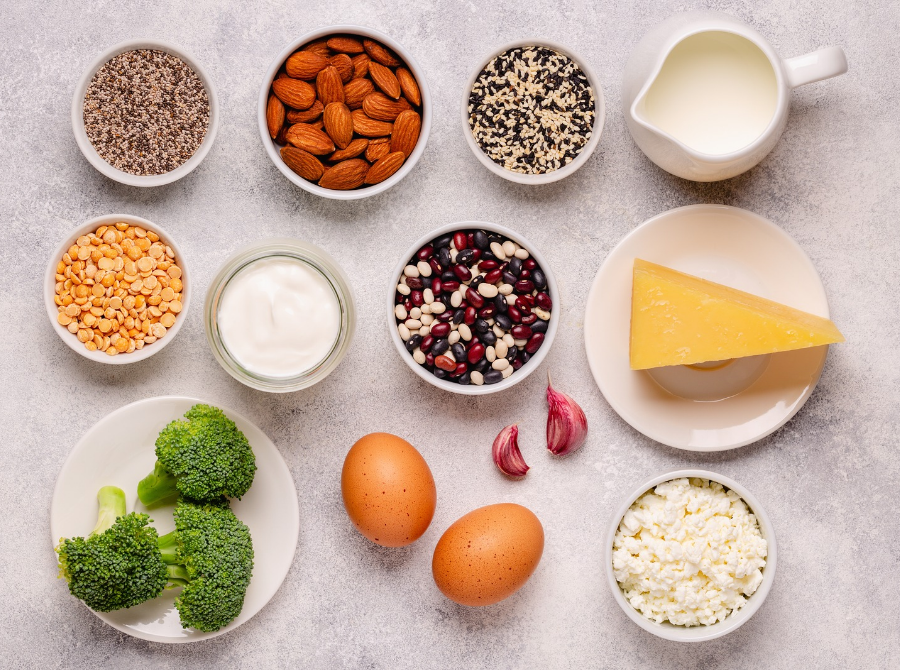
Choose variety: Include vegetarian protein sources like lentils, beans, tofu, and dairy, or non-vegetarian options like eggs, poultry, and fish.
Build balanced meals: Pair protein-rich foods with vegetables, whole grains, fruits, and healthy fats.
Make simple swaps: Add protein to breakfast, lunch, dinner, and snacks using foods you enjoy.
Focus on overall nutrition: Portion sizes, food quality, and a balanced diet matter more than relying on a single protein source.
Protein is more than a fitness buzzword – it is one of the essential building blocks of a healthy body.
From supporting muscle maintenance and tissue repair to helping you feel satisfied after meals, protein plays an important role in everyday nutrition. Whether you’re following a vegetarian lifestyle, eating animal-based foods, or simply looking for healthier meal ideas, adding protein-rich foods to your daily diet can make a meaningful difference.
But what should actually go on your plate?
This guide explores 25 of the best vegetarian and non-vegetarian protein sources, along with practical ways to include them in a balanced diet.
Think of protein as your body’s repair and maintenance team.
Your body uses amino acids from protein to build and maintain tissues and to produce many substances needed for normal body function. Protein is particularly important for maintaining muscle, especially when combined with regular physical activity.
And here’s the good news: protein doesn’t have to mean protein shakes.
Real, whole foods can be excellent protein sources.
From a bowl of dal to a serving of grilled fish, there are countless delicious ways to make protein part of your everyday meals.
Vegetarian eating can be both nutritious and protein-rich when meals are planned with variety.
Lentils are an everyday nutritional powerhouse. They provide plant-based protein and dietary fiber and can easily be added to dal, soups, salads, and curries.
Chickpeas are versatile, satisfying, and easy to use. Enjoy them in hummus, chana curry, salads, or as a roasted snack.
Popularly known as rajma, kidney beans provide protein and fiber. Pair them with whole grains and vegetables for a wholesome meal.
Soybeans are an excellent plant-based protein source and contain all nine essential amino acids. They can be eaten directly or used to make tofu and other soy foods.
Tofu is one of the most versatile vegetarian protein foods. Bake it, grill it, stir-fry it, or add it to curries and salads.
Tempeh is a fermented soy food with a firm texture and substantial protein content. It works well in stir-fries, wraps, and grain bowls.
Paneer is a popular protein-rich food in Indian cuisine. Add it to vegetable curries, salads, wraps, or grilled dishes. Because paneer can also contain significant saturated fat, portion size is worth considering.
Greek yogurt offers protein and calcium in a convenient form. Choose plain, unsweetened yogurt and combine it with fruit, nuts, or seeds.
Cottage cheese can be an easy addition to breakfast, salads, or snacks and provides protein along with other nutrients.
Quinoa is a protein-containing whole grain and provides fiber and minerals. Use it in place of rice in salads, bowls, or side dishes.
Almonds provide protein, healthy fats, fiber, and vitamin E. A small handful makes a convenient snack, although nuts are calorie-dense.
These tiny seeds pack plenty of nutrition. Sprinkle them over yogurt, oatmeal, salads, or soups for an easy protein boost.
If you eat animal products, you have plenty of nutritious choices.
The key is to focus on variety and, where appropriate, leaner options and minimally processed foods.
Eggs are affordable, convenient, and easy to prepare. Boiled, scrambled, poached, or added to meals, they provide high-quality protein and several essential nutrients.
Chicken breast is a popular lean protein source. Grilling, baking, or roasting can provide a simple way to enjoy it without excessive added fat.
Turkey, particularly turkey breast, provides high-quality protein and can be used in salads, wraps, sandwiches, or main meals.
Salmon delivers both protein and omega-3 fatty acids. Serve baked or grilled salmon with vegetables and whole grains for a balanced dinner.
Sardines may be small, but they provide protein and omega-3 fats. They can be incorporated into salads, sandwiches, or cooked meals.
Canned tuna is a convenient protein option for busy days. Combine it with vegetables and whole grains to create a balanced meal.
Mackerel is an oily fish that provides protein and omega-3 fatty acids. Baking or grilling keeps preparation simple.
Shrimp is a relatively lean source of protein and cooks quickly. Add it to salads, stir-fries, soups, or grain bowls.
Lean beef provides protein along with nutrients such as iron and vitamin B12. Choose lean cuts and keep portions appropriate.
Lean pork can be grilled, baked, or roasted and paired with vegetables and whole grains.
Cod is a mild, lean fish that can be baked with herbs and served alongside vegetables for a simple protein-rich meal.
Crab provides protein and various micronutrients. It can be enjoyed in soups, salads, or main dishes.
Lean lamb provides protein, iron, zinc, and vitamin B12. Enjoy it as part of a varied diet rather than relying on red meat as your primary protein source.
Increasing protein intake doesn’t have to mean completely changing your diet.
Try these simple swaps:
Breakfast: Add eggs, Greek yogurt, cottage cheese, or seeds.
Lunch: Include dal, chickpeas, rajma, tofu, paneer, chicken, or fish.
Snacks: Try roasted chickpeas, nuts, yogurt, boiled eggs, or edamame.
Dinner: Build your plate around a protein source, then add plenty of vegetables and a whole-grain or other carbohydrate source.
A useful rule is simple:
Protein + vegetables + whole grains or other nutritious carbohydrates + healthy fats = a balanced meal.
From comforting dal and chickpeas to versatile tofu and paneer, and from eggs and chicken to nutrient-rich fish and seafood, there are plenty of protein-rich foods to suit almost every dietary preference.
Focus on variety, balance, portion awareness, and minimally processed foods. Build meals around nutritious protein sources and complement them with vegetables, fruits, whole grains, and healthy fats.
Most importantly, remember that healthy eating isn’t about one magical food.
It’s about the choices you make consistently, meal after meal, day after day.


