
How to Reduce Anxiety Naturally: Symptoms, Causes & Practical Ways to Cope
Feeling anxious occasionally is a normal response to stress, uncertainty, work pressure, financial concerns, health problems, or major life changes.…
Read More →

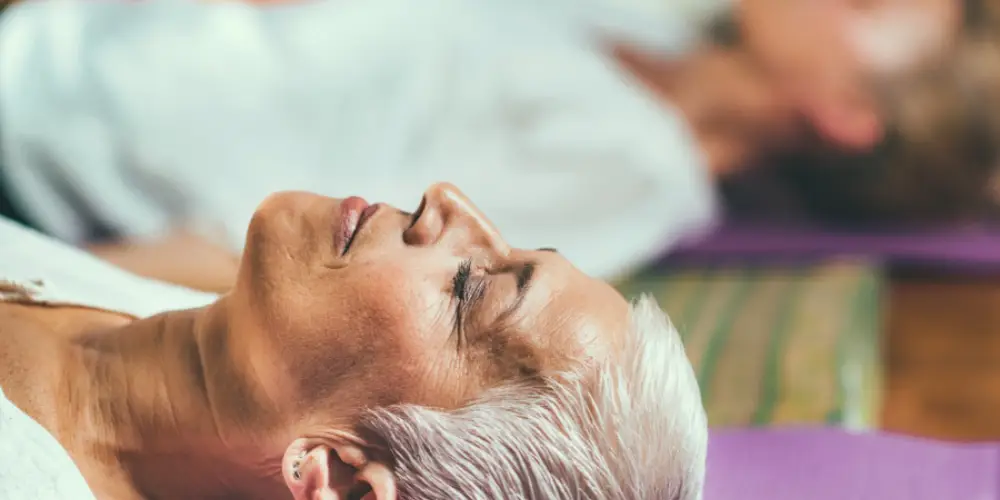
Recognize stress early: Sleep problems, headaches, muscle tension, irritability, digestive symptoms, and difficulty concentrating can all occur with stress.
Use several coping strategies: Exercise, sleep, slow breathing, mindfulness, social support, healthy meals, and regular breaks can work together.
Get help when stress becomes persistent: Professional support is appropriate when stress interferes with daily life or becomes difficult to manage.
Stress is a normal physical and emotional response to challenges. Work pressure, financial concerns, relationship problems, health issues, major life changes, and lack of sleep can all increase stress. Short-term stress can sometimes help you respond to a demanding situation, but ongoing or overwhelming stress can affect sleep, mood, concentration, digestion, and overall well-being. Learning how to recognize stress early and developing practical coping habits can make it easier to manage.
Stress can affect both your mind and body.
Common emotional and mental symptoms include:
Physical and behavioral symptoms may include:
The CDC notes that stress can also worsen existing physical and mental-health conditions.
Start by identifying what repeatedly makes you feel stressed.
For one week, write down:
What happened → What you felt → How you responded → What helped
This can reveal patterns and help you address the source instead of only managing the symptoms.
When you feel overwhelmed, pause and take several slow, comfortable breaths.
Try:
Inhale gently → exhale slowly → repeat for 2–5 minutes.
Slow breathing and other relaxation techniques may help activate the body’s relaxation response and can modestly reduce stress in some people.
Do not force extremely deep breaths if they make you dizzy or uncomfortable.
Physical activity is one of the most practical ways to support mental well-being.
Choose something you enjoy:
You don’t need an intense workout every day. Consistency is more important than exercising until exhaustion.
Stress and poor sleep can reinforce each other.
Create a regular sleep routine by:
NIMH recommends maintaining a sleep routine as part of healthy stress-management habits.
Coffee, energy drinks, tea, cola, and other caffeinated products can make some people feel more restless or physically activated.
If you notice that caffeine increases your stress or makes sleep difficult, consider reducing your intake gradually.
NIMH specifically recommends avoiding excess caffeine when managing stress and anxiety.
Long periods of uninterrupted work can increase mental fatigue.
Every few hours, take a short break to:
A short break can give your attention a chance to reset.
Mindfulness means deliberately paying attention to the present moment rather than becoming completely absorbed in worries about the past or future.
Start with 5–10 minutes a day. Focus on your breathing, body sensations, sounds, or surroundings.
Research suggests mindfulness practices may help reduce perceived stress and may also support sleep and emotional well-being.
Stress often causes unconscious muscle tension.
Progressive muscle relaxation involves gently tensing and then relaxing different muscle groups, such as the hands, shoulders, face, and legs.
Relaxation techniques are generally considered safe for healthy people, although some individuals may experience increased anxiety or uncomfortable thoughts.
Skipping meals can make it harder to maintain energy and concentration.
Build meals around:
Healthy eating does not eliminate stress, but regular balanced meals support overall physical health and daily functioning.
Continuous exposure to negative news, arguments, or social-media content can make some people feel more overwhelmed.
Consider setting specific times to check news and social media instead of checking continuously throughout the day. The CDC specifically recommends taking breaks from news and social media when they contribute to stress.
You don’t have to solve every problem alone.
Talking with a friend, family member, counselor, therapist, or another trusted person can provide emotional support and another perspective.
Social connection is an important part of healthy coping.
A large problem can feel impossible when you look at everything at once.
Instead, ask:
“What is one thing I can do today?”
For example, instead of worrying about an entire project, write the first three tasks and complete the smallest one first.
Stress can make negative predictions feel certain.
When you notice a stressful thought, ask:
This approach is related to cognitive behavioral strategies used in psychological treatment.
Schedule activities that genuinely help you relax.
This could include:
Relaxation practices such as breathing exercises, mindfulness, and yoga may help some people manage stress.
Self-care is useful, but it should not be your only strategy when stress becomes persistent or overwhelming.
Consider speaking with a doctor, psychologist, counselor, or other qualified mental-health professional if stress:
If you are experiencing thoughts of suicide or self-harm, seek urgent help through emergency services or a crisis service available in your country.
Morning: Get some daylight, eat a balanced breakfast, and spend a few minutes moving your body.
During work: Take short breaks, drink water, prioritize important tasks, and avoid constantly checking notifications.
When stress rises: Pause for 2–5 minutes, slow your breathing, relax your shoulders, and identify the immediate problem you can actually control.
Evening: Reduce unnecessary screen stimulation, spend time doing something enjoyable, and follow a consistent sleep routine.
Weekly: Schedule exercise, social connection, hobbies, and adequate recovery time.
The goal is not to eliminate every stressful situation. The goal is to build healthier ways to respond to stress.
There is no single supplement that should be considered a universal treatment for stress.
Some complementary approaches have been studied, but evidence varies considerably. NCCIH recommends discussing complementary products with a healthcare professional, particularly because supplements can have side effects or interact with medications.
Avoid assuming that a product is safe simply because it is labeled “natural.”


