
Why Am I Not Getting Hard? Common Causes of Erectile Dysfunction in Men
You want to get in the mood—but your body isn’t cooperating. What does it mean when you can’t get or…
Read More →

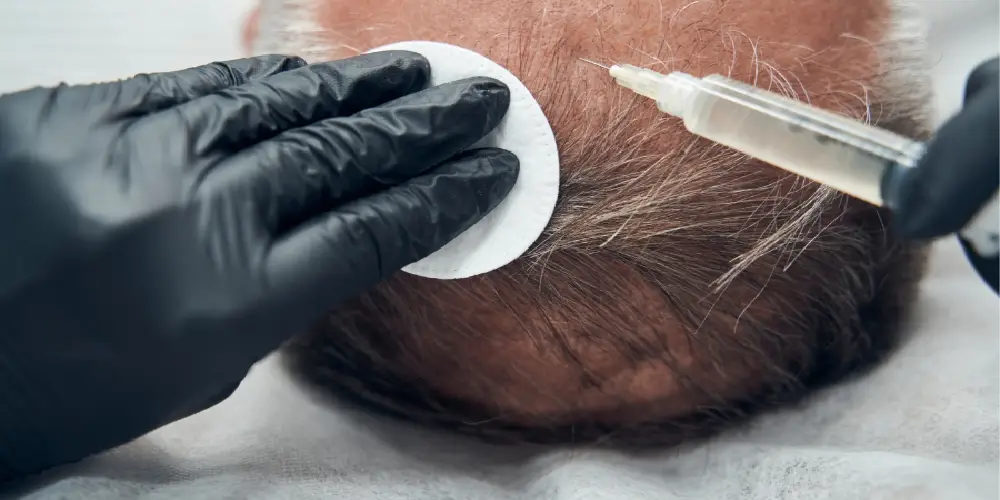
Genetics is a common cause: Male pattern hair loss often leads to gradual thinning and a receding hairline.
Multiple factors can trigger hair fall: Stress, illness, nutritional deficiencies, medications, and scalp conditions may contribute.
Identify the underlying cause: Avoid self-diagnosis and unnecessary supplements; seek professional advice when needed.
Know when to seek help: Sudden, patchy, or persistent hair loss, especially with scalp symptoms, deserves medical evaluation.
A few hairs on your pillow are normal. But when the hair in your shower drain seems to be multiplying, your hairline looks different, or your scalp is becoming more visible, it is natural to wonder: “Why is my hair falling out?”
Hair loss in men is extremely common, but the reason behind it isn’t always the same. Genetics, hormones, nutritional deficiencies, stress, illness, medications, and scalp conditions can all contribute to excessive hair fall.
The good news? Understanding the cause is the first step toward finding the right approach.
Let’s explore 12 common causes of hair loss in men, what signs to watch for, and when hair fall deserves professional attention.
If your hairline is gradually moving backward or you’re noticing thinning around the crown, male pattern hair loss may be responsible.
Also known as androgenetic alopecia, this hereditary condition is influenced by genetics and hormones, particularly the sensitivity of hair follicles to dihydrotestosterone (DHT).
It often develops gradually and can follow recognizable patterns, such as a receding hairline or thinning crown.
The clue: Slow, progressive thinning rather than sudden shedding.
Major physical or emotional stress can affect the normal hair-growth cycle.
A condition called telogen effluvium can cause increased shedding several weeks to months after a stressful event. Triggers may include significant illness, surgery, major emotional stress, or other physical strain.
Interestingly, you may not notice the shedding immediately after the stressful event.
The clue: Noticeably increased shedding across the scalp rather than a single bald patch.
Your hair follicles require adequate nutrients to function normally. Restrictive diets, inadequate calorie intake, or deficiencies in nutrients such as iron, zinc, protein, or certain vitamins may contribute to hair loss in some people.
However, taking supplements blindly isn’t the answer.
If a deficiency is suspected, a healthcare professional can determine whether testing is appropriate and identify the right treatment.
The clue: Hair loss accompanied by a restrictive diet, significant weight loss, or other signs of nutritional inadequacy.
Trying to lose weight quickly?
A dramatic reduction in calorie intake or rapid weight loss can place physical stress on the body and potentially trigger temporary hair shedding.
Crash diets may also make it harder to obtain adequate protein and essential nutrients.
Healthy weight management should nourish your body – not deprive it.
Both an underactive thyroid and an overactive thyroid can sometimes be associated with hair changes or hair loss.
Other symptoms may include changes in weight, energy levels, temperature sensitivity, heart rate, or mood.
If hair loss occurs alongside several unexplained symptoms, talk to your doctor.
Hair loss can occur as a side effect of some medications.
The medications associated with hair loss vary and may include certain drugs used for conditions such as cancer, arthritis, depression, cardiovascular disease, and other health problems.
Never stop a prescribed medication on your own.
If you suspect a medication is contributing to your hair loss, discuss it with the prescribing healthcare professional.
Your scalp is the foundation from which your hair grows.
Conditions such as seborrheic dermatitis, psoriasis, fungal infections, or significant scalp inflammation can affect the scalp and may be associated with hair shedding or breakage.
Persistent itching, scaling, redness, pain, or inflammation deserves medical attention.
Unlike gradual male pattern hair loss, alopecia areata can cause smooth, round or irregular patches of hair loss.
It is an autoimmune condition in which the immune system mistakenly attacks hair follicles.
Hair loss can occur on the scalp and sometimes affect the beard, eyebrows, or other body hair.
The clue: Sudden, clearly defined bald patches.
Not every case of “hair loss” originates from the follicle.
Frequent heat styling, harsh chemical treatments, aggressive brushing, tight hairstyles, or excessive manipulation can cause hair breakage, making hair appear thinner.
Your hair doesn’t need a complicated routine.
Gentle handling can go a long way toward reducing avoidable damage.
Look at your family tree.
If close relatives experienced early hair thinning or a receding hairline, genetics may play a role in your own risk of male pattern hair loss.
However, family history doesn’t explain every type of hair loss. A sudden change in shedding may have another underlying cause.
Hormones influence the hair-growth cycle.
Androgens, including testosterone and its derivative DHT, are particularly relevant to male pattern hair loss. Certain hormonal or endocrine disorders may also contribute to abnormal hair growth or shedding.
Because hormonal causes can be complex, persistent or unusual hair loss should be assessed rather than self-diagnosed.
A significant infection, high fever, surgery, hospitalization, or other major physical stress can sometimes disrupt the hair-growth cycle.
This type of shedding may appear weeks or months after the original illness, which can make the connection difficult to recognize.
The reassuring part is that some forms of illness-related shedding can improve once the underlying trigger is resolved.
Not every fallen hair is a warning sign. Losing some hair every day is part of the normal hair cycle.
But consider seeking professional advice if you notice:
A dermatologist or qualified healthcare professional can examine your scalp, review your medical and family history, and determine whether further evaluation is needed.
For some men, genetics and hormones are the main drivers. For others, stress, illness, nutritional problems, medications, scalp conditions, or hair damage may be involved.
The most important step is to identify why your hair is falling out rather than relying on a one-size-fits-all remedy.
If your hair loss is sudden, patchy, rapidly progressing, or accompanied by scalp changes or other symptoms, getting professional medical advice can help uncover the cause and guide appropriate treatment.
Your hair can tell you something about what’s happening but the right diagnosis tells you what to do next.


